We express our deepest condolences to Rosen's family for their tragic loss. Parents have the right to know what happened to their child, why it happened, and whether it could have been prevented. None of these questions should go unanswered.
As an organization that also supports medical professionals and has observations on the psychological burden that fatal cases leave on them, we feel obligated and responsible to share that
A few days after the death of 10-year-old Rosen in Pirogov, the medical team involved in the case contacted us with a request for psychological support.
The For Good Foundation held a psychological debriefing with the team of
Pediatric Surgery – Pirogov. The group was led by Assoc. Prof. Svetlozar Vassilev and a clinical psychologist. Psychological debriefing is an emergency intervention that gives the team the opportunity to talk together about the most difficult experiences in their work, about the tension, about the emotions that they often do not have the time and opportunity to express.
We have refrained from public comment on the case so far because we wanted to maintain the trust the medical team placed in us when they sought our help and we waited for them to take the first step.
We can say that the meeting was extremely difficult.
We will not share what we heard, not a single personal experience, and not a single word spoken in this space of trust. Confidentiality is the condition for these people to be able to seek help and speak freely again when they feel the need.
But there is something we can and should talk about.
For the people we expect to save lives every day. Who have to maintain their composure when everyone around them is scared. To make split-second decisions. To move on to the next patient, even when the previous one has died.
How long can a person withstand this pressure? And who takes care of him when his strength begins to wane?
This is not our first time working with medical teams. We have organized other Balint case discussion groups and we know the psychological toll of this profession. We see how much is demanded of the people who practice it and how little opportunity they have to get support when they themselves need it.
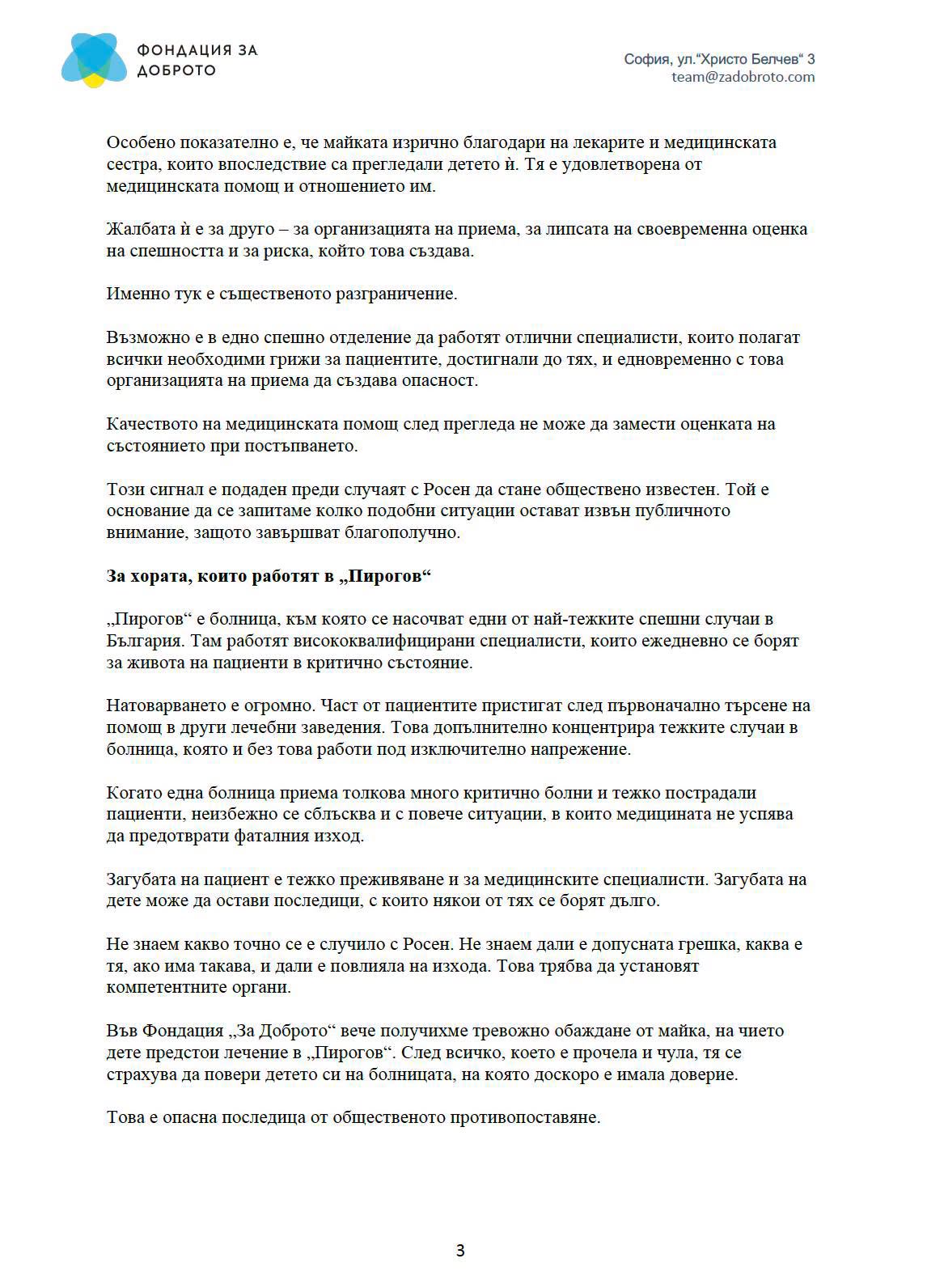
We do not know whether a medical error or an organizational one was made. We do not know what exactly led to Rosen's death. This must be established by the competent authorities. If there are violations, there must be accountability.
The psychological support we provided to the medical team is irrelevant to this assessment. It is not evidence of guilt or innocence, nor is it grounds for drawing conclusions about what happened.
But we believe that the search for truth and accountability does not require us to take away the human dignity of the people whose actions are being scrutinized.
And in the meantime, there are issues that again risk being left on the back burner.
Because these doctors work in a system that has been experiencing severe staff shortages for years, in which the workload often exceeds human capacity, and in which medical professionals are expected to fulfill ever more demands with ever more limited resources.
That is precisely why we believe that the Rosen case should open a much broader conversation.
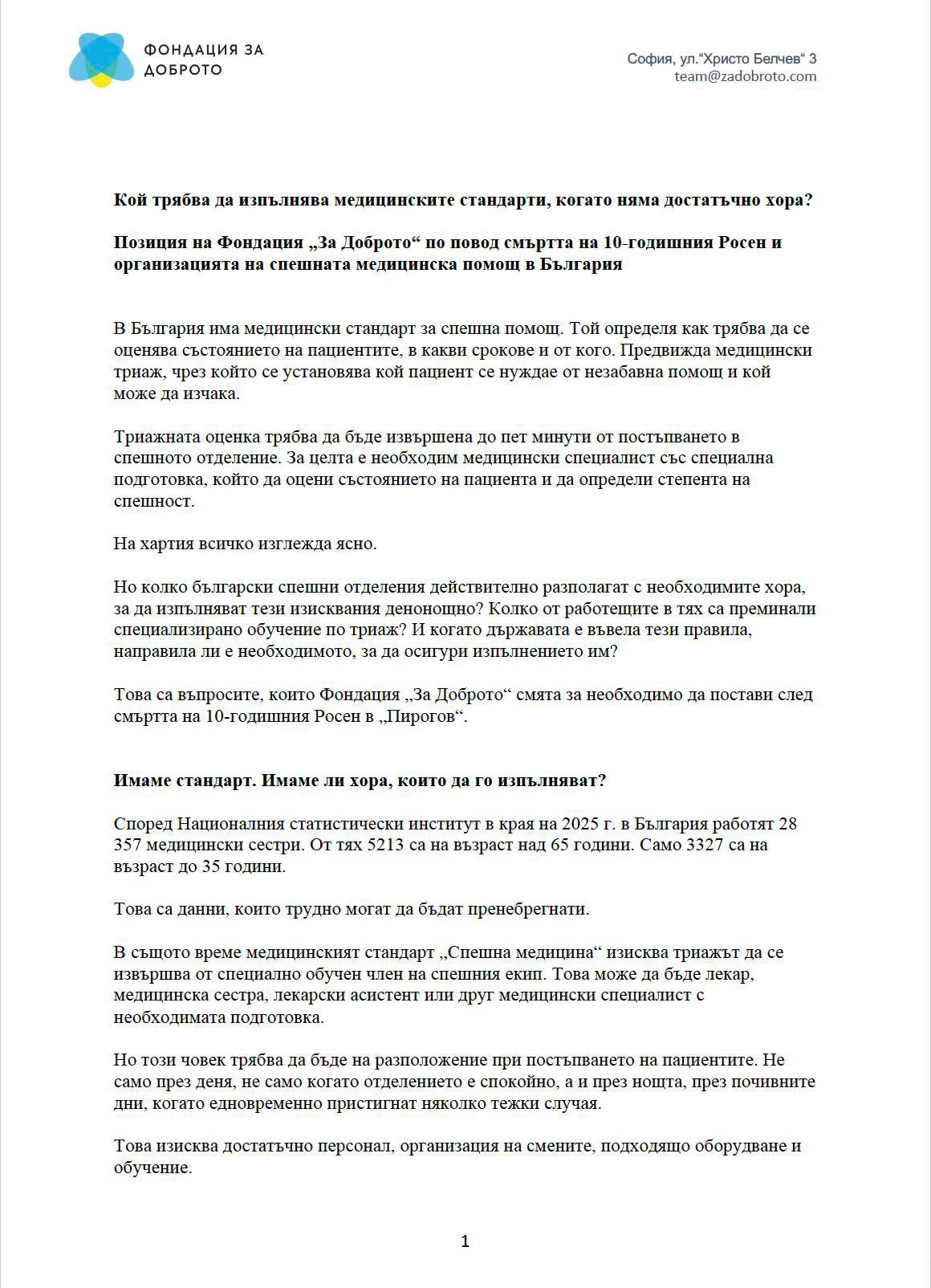
In Bulgaria, there is a medical standard for emergency care. There are rules for triage, deadlines, and requirements for the qualifications of specialists.
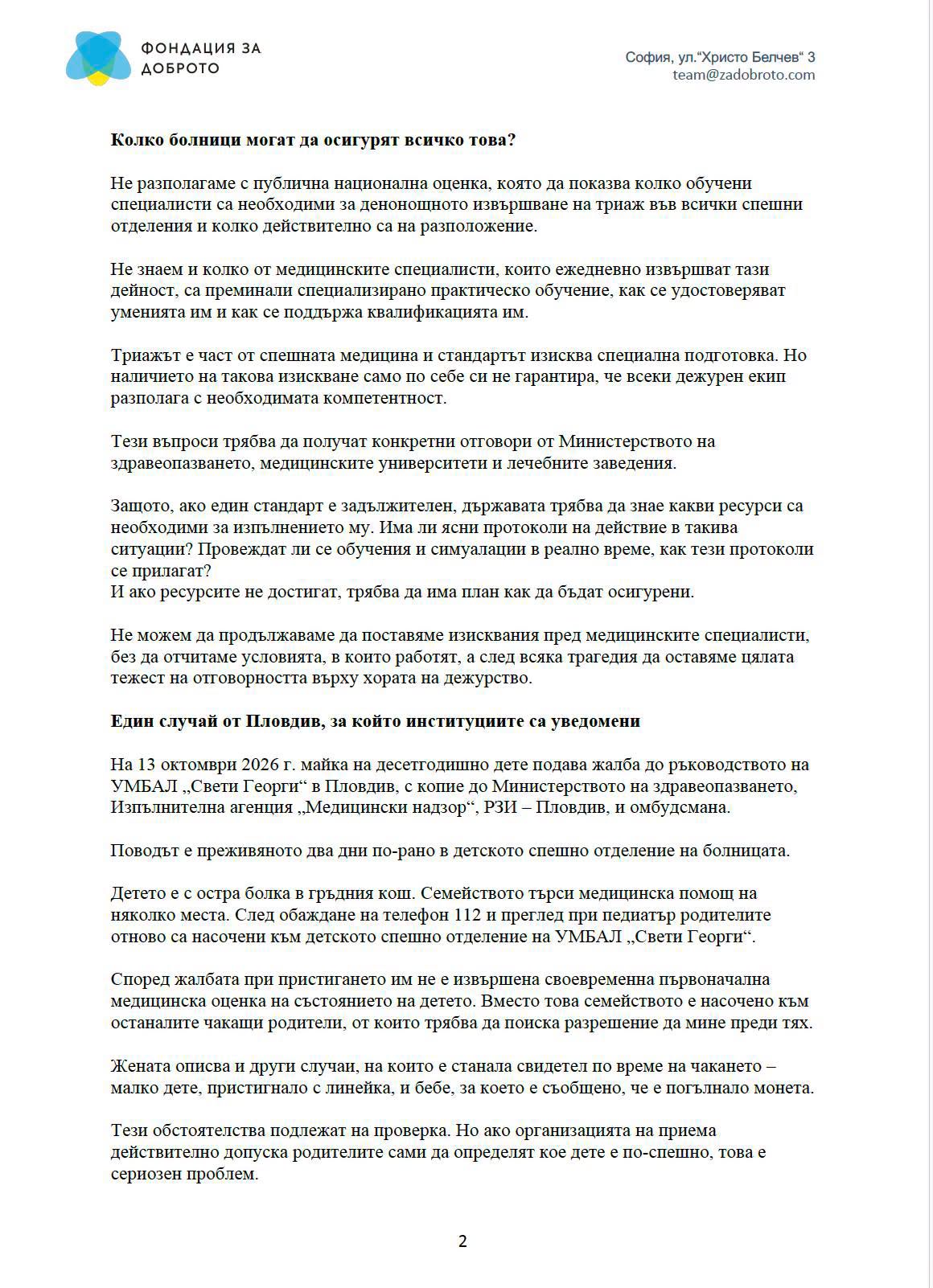
But are there enough trained people to perform them? What happens in the emergency room when there is no one to perform triage?
Who is responsible if the hospital does not have the necessary staff?
And when the state introduced these rules, did it think about who would implement them and under what conditions?
Once again, we express our condolences to the family and with a heavy heart we continue to fight for everything that can contribute to truly functioning children's healthcare.